Lawn irrigation plays a vital role in maintaining the health and aesthetics of your outdoor space. Often overlooked, the process ensures that grass receives a consistent amount of water, which is crucial to its growth. Without adequate irrigation, lawns can develop dry patches, leading to an unsightly appearance.
Proper lawn irrigation involves more than just watering; it requires understanding the specific needs of your grass type. By tailoring the irrigation to these needs, you can ensure that your lawn thrives regardless of natural rainfall patterns.
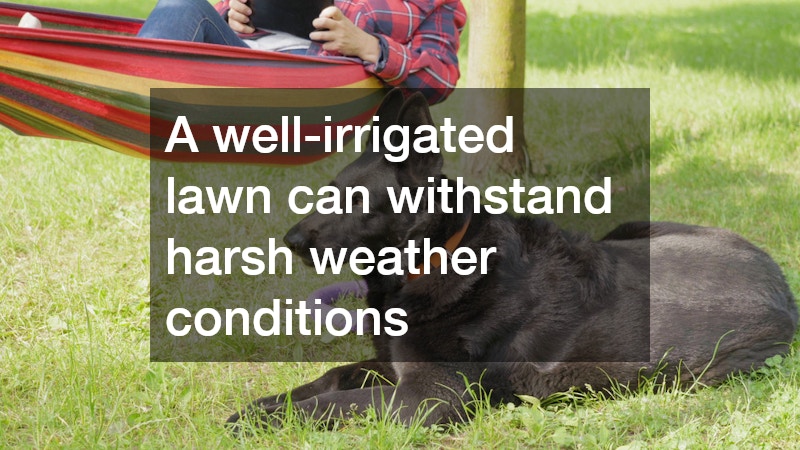
A well-irrigated lawn can withstand harsh weather conditions, preventing issues like erosion and soil degradation. Watering at the right time, particularly in the early morning when evaporation rates are lower, ensures that the grass absorbs necessary moisture. Overwatering, however, may lead to shallow roots and a weaker lawn. This careful balance in lawn irrigation helps in establishing deep root systems, promoting robust grass growth. Through a thoughtful irrigation system, homeowners can also contribute to water conservation efforts, using resources responsibly.
Implementing an effective lawn irrigation system often involves the use of technology such as smart sprinkler systems, which can optimize watering schedules. These systems help in applying just the right amount of water, depending on weather forecasts and soil moisture levels. Regular maintenance of irrigation systems is necessary to ensure efficiency and effectiveness. Broken or misaligned sprinkler heads can lead to water wastage and uneven watering. By investing in advanced irrigation technology, homeowners ensure that their lawns are both healthy and environmentally sustainable.
Benefits of Lawn Irrigation
Lawn irrigation provides numerous benefits that extend beyond just maintaining a green, healthy lawn. One of the primary advantages is the promotion of a cooler environment. Lawns can be up to 20 degrees cooler than asphalt on a hot day, significantly reducing the heat in urban environments. Therefore, by keeping lawns properly irrigated, you are contributing to the overall cooling effect in your neighborhood. This aspect of lawn irrigation not only enhances public health but also reduces energy costs associated with air conditioning.
Additionally, properly irrigated lawns are less susceptible to weeds, fungi, and diseases. When grass is strong and healthy, it can outcompete these problems, reducing the need for chemical interventions. Healthy grass benefits from the right balance of moisture, thus limiting the growth conditions for invasive species and pathogens. This preventive approach works in favor of the ecosystem, as it supports biodiversity and reduces the chemical footprint on the environment. As such, lawn irrigation serves both an aesthetic and environmental purpose.
Beyond physical and environmental health, well-kept lawns can significantly increase property value. A lush green lawn enhances the curb appeal of a property, making it more attractive to potential buyers. Many real estate experts agree that first impressions matter greatly, and a well-irrigated lawn creates a welcoming atmosphere. This, in turn, can lead to quicker sales and higher selling prices. Investing in a good lawn irrigation system is, therefore, a strategic decision for homeowners looking to maximize their property investments.
Sustainable Lawn Irrigation Practices
In recent years, there has been an increased focus on making lawn irrigation practices more sustainable to address environmental concerns. One approach is the use of drip irrigation, which delivers water directly to the roots, minimizing waste and evaporation. This method can significantly decrease water usage while still maintaining a healthy lawn. Another trend is the collection of rainwater in barrels for irrigation purposes, which not only conserves water but also reduces reliance on municipal supplies. By implementing these sustainable practices, homeowners contribute positively to the conservation of natural resources.
Soil health is also an integral part of sustainable lawn irrigation. By conducting a soil analysis, you can determine the right irrigation schedule and volume for your lawn. Healthy soil retains moisture better, reducing the frequency of watering needed. Mulching and aerating are practical techniques that improve soil health and support sustainable irrigation practices. Through these methods, lawns become more resilient to droughts and require less maintenance.
Lastly, educating homeowners on the importance of efficient lawn irrigation practices is crucial for long-term sustainability. Public programs and workshops can provide valuable insights into the efficient use of water. Offering incentives for installing water-efficient systems can also encourage widespread adoption of these technologies. Conscious community engagement ensures that lawn irrigation practices continue to evolve in an environmentally friendly manner. By fostering an informed community, we pave the way for a greener, more sustainable future.